

Proper upkeep of a home barbecue is often pushed aside, yet it has a direct impact on how long the equipment lasts and, above all, on food hygiene. After a cookout, burnt-on grease builds up on the cooking grate, along the inner walls and even in the drip tray, creating a stubborn crust that is hard to shift. With a few straightforward precautions, readily available products and a quick routine after each use, you can keep the barbecue clean, safe and ready for the next grill-up.
How do you clean a barbecue efficiently?
Cleaning is usually easier when the barbecue is still warm-but never so hot that it is unsafe-because the fat has not fully hardened. At this stage, mild washing-up liquid, non-abrasive sponges, bicarbonate of soda, white vinegar and lemon can help lift grime without harming the surface.
For charcoal barbecues, it is essential to wait until the embers have cooled completely before handling internal parts. With gas or electric models, switch the unit off, unplug it or turn off the gas supply, and follow the manufacturer’s instructions-this is key to avoiding accidents and protecting more delicate components.
Which products should you use to clean the grate and surfaces?
For the grate itself, a mix of washing-up liquid, warm water and an appropriate scrubbing tool will often deal with fresh residues. When the build-up is more stubborn, homemade options-such as a bicarbonate paste or white vinegar-can help break down burnt grease, cut lingering smells and bring back the metal’s shine.
Before choosing a product, check what the barbecue is made from (stainless steel, cast iron, enamelled surfaces) and adjust your approach to prevent scratching and rust. The following are commonly effective and easy to work into a regular routine:
- Bicarbonate of soda: best for heavier crusts; apply directly as a paste.
- White vinegar: helps loosen grease and reduces persistent odours.
- Mild washing-up liquid: ideal for day-to-day use and maintenance cleaning.
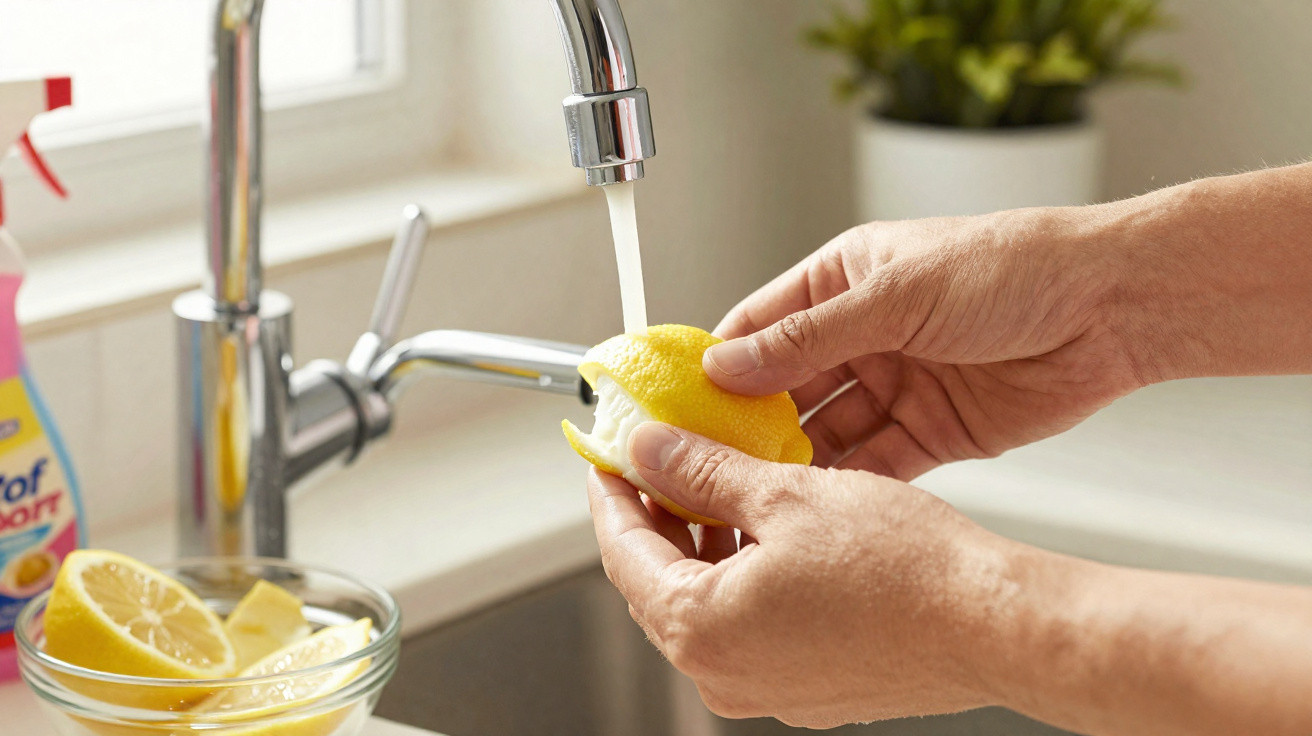
- Lemon and coarse salt: a combination with gentle abrasive action, useful on marks and darkened spots.
- Soft cloths and non-scratch sponges: help prevent scuffs and protect stainless steel, enamel and painted finishes.
What care is needed when cleaning the inside of the barbecue?
Inside the barbecue, ash can collect alongside grease in trays and channels, as well as food debris that may lead to excessive smoke and unpleasant smells. Before applying any products, remove cold ash, loose residue and any detachable parts, taking care not to soak electrical sections or burners.
With cast-iron grates, it is best not to leave them soaking for long periods, as this can encourage rust. After a quick clean, dry thoroughly and-where the manufacturer recommends it-rub on a thin layer of vegetable oil. This creates a protective film that improves durability and makes future cleaning easier.
How can you make your barbecue last longer?
Regular cleaning stops grease from building up, helps reduce corrosion and prevents leftover residue from attracting insects or causing excessive smoke next time. Shielding the barbecue from rain, direct sun and dust-using a fitted cover or storing it in a sheltered, well-ventilated area-also supports the structure and finish.
Another helpful habit is a brief pre-burn before each barbecue: heat the grate for a few minutes at a high temperature, then use a suitable brush to remove whatever loosens. When cleaning becomes part of the routine straight after each cook, the job is faster, the barbecue lasts longer and future barbecues take less effort and feel safer.




Comments
No comments yet. Be the first to comment!
Leave a Comment