
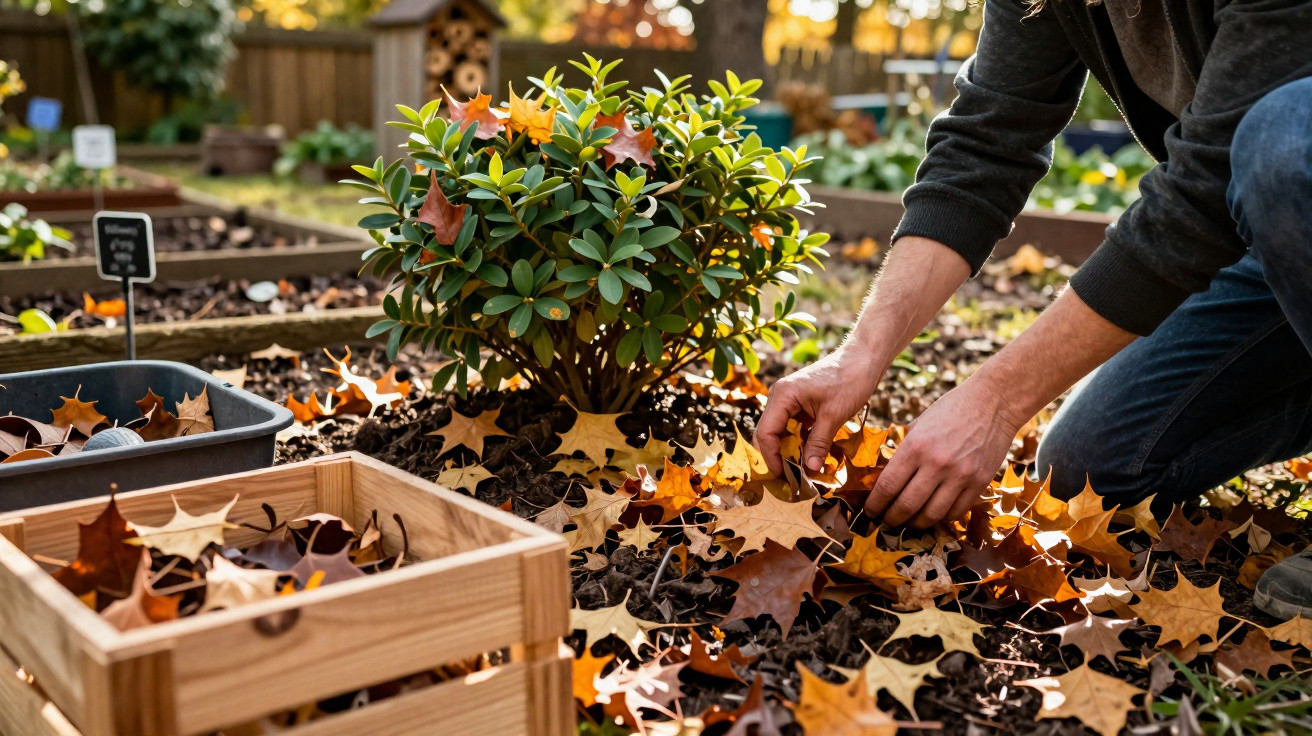
Autumn often turns streets, gardens and pavements into what looks like a thick carpet of dry leaves. Rather than treating that scene purely as mess or extra work, many gardening and recycling specialists point out that fallen leaves can be a valuable raw material at home and in the back garden-helping return nutrients to the soil, shield plants and support more life in the garden.
Does reusing dry leaves in autumn make a difference to the garden?
Using dry leaves again in autumn helps complete the natural nutrient cycle, putting back into the soil some of what trees drew out as they grew. When they are used thoughtfully, leaves stop being “waste” and become a practical tool for keeping a garden healthier and more balanced.
As they sit on the surface, leaves create a protective layer over the soil, help hold on to moisture and provide shelter for small organisms. In places that experience more extreme shifts in weather, this approach can also help limit erosion, keep soil temperatures steadier and protect biodiversity in domestic green spaces.
How can you use dry leaves as mulch in the garden?
Turning dry leaves into mulch is a straightforward, effective way to protect soil around beds, pots and vegetable patches. When chopped or shredded, they form a cover that reduces stress on plants, slows the growth of unwanted plants and, over time, improves the soil’s structure as the material breaks down.
To make leaf mulch easy to use day to day, it helps to follow a few simple steps when applying it in the garden:
- Shred the leaves so they are in smaller pieces and settle more evenly on the soil.
- Spread a 3 to 5 centimetres layer, without letting it touch plant stems directly.
- Top up the cover whenever the material decomposes or becomes too thin.
- Avoid using leaves that are diseased or show signs of fungus, so you do not spread problems around the garden.
How can you use dry leaves in home composting?
In a compost heap or bin, dry leaves act as a carbon-rich material that balances wetter kitchen scraps, such as fruit and vegetable peelings and used coffee grounds. That balance helps prevent bad smells, speeds up decomposition and produces a more stable, nutrient-rich compost for vegetable patches and beds.
For better results, alternate layers of dry leaves with moist waste, chop the material to help it break down faster, and store any surplus in perforated sacks or ventilated boxes. That way, you will have leaves available throughout the year to adjust the compost whenever there is a glut of kitchen waste.
Can dry leaves also provide shelter for beneficial insects?
Beyond mulching and composting, dry leaves can also be used to create small, natural refuges for insects that help with pest control and pollination. A few discreet piles in quiet corners of the garden can give shelter to ladybirds, solitary bees, earthworms and other organisms that are essential to ecological balance.
To set up these refuges, keep the piles in well-aired spots without too much damp, and avoid packing the leaves down tightly so air can circulate. Checking these areas from time to time helps ensure there is no litter mixed in and that the space remains healthy-turning what was once seen as “mess” into a useful, living resource in your own back garden.





Comments
No comments yet. Be the first to comment!
Leave a Comment