
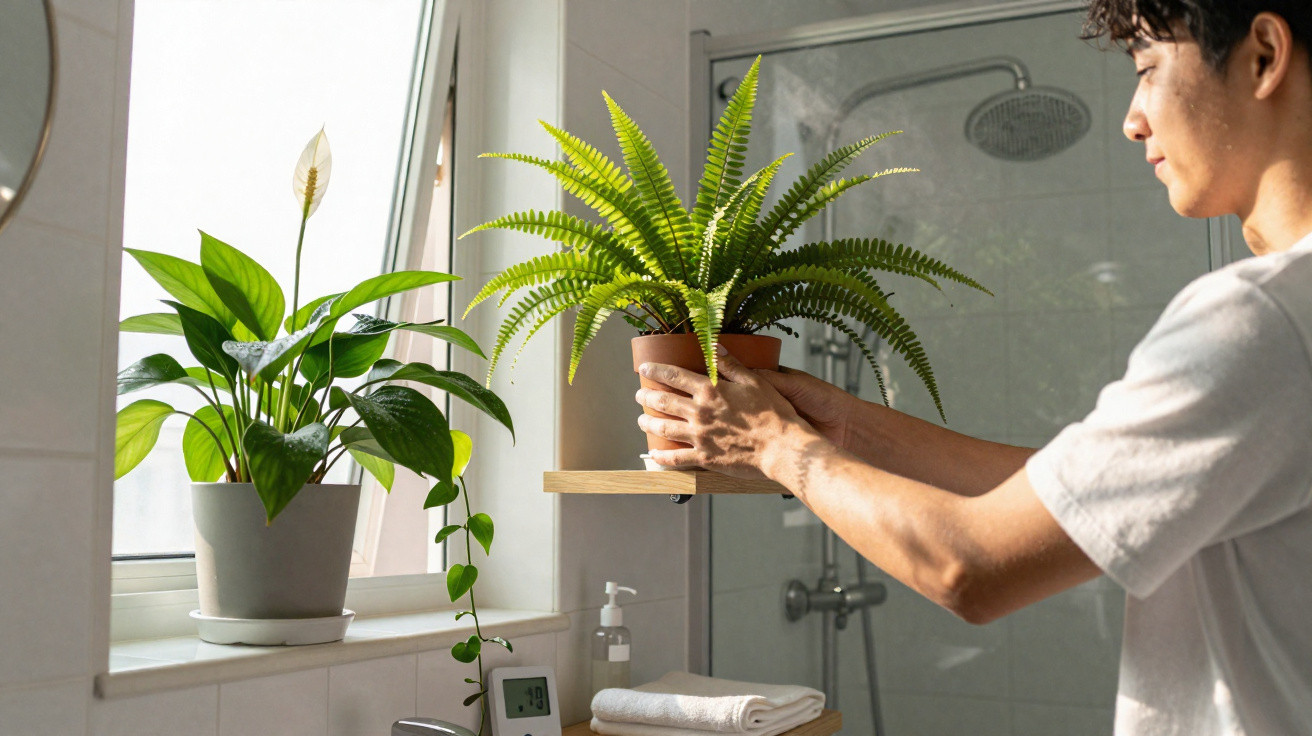
Putting a plant in the bathroom is a natural way to support moisture control and make the room feel more pleasant. Many tropical species cope well with shower steam and can take up a small amount of water from the air, but they are not a substitute for ventilation, regular cleaning, or fixing damp and leaks.
Why can plants help in humid spaces?
Some plants take in small amounts of moisture through their leaves and use that water in their normal growth processes. Because many of these varieties originate in tropical forests, they tend to tolerate the steam, warmth and indirect light found in certain bathrooms.
That said, their impact on the room’s humidity is modest, so a pot plant should be seen as an extra support rather than a dehumidifier. It works best when combined with other habits, such as:
- Opening the window after a shower;
- Using an extractor fan to remove steam;
- Drying down the walls and the shower enclosure;
- Repairing dripping taps, pipes and leaking seals or grout;
- Washing bath mats and curtains regularly.
Which plants are best suited to the bathroom?
The right choice depends on how much light the room gets, how much space you have, and how often you water. Plants that handle humidity and indirect light usually settle in more easily, including:
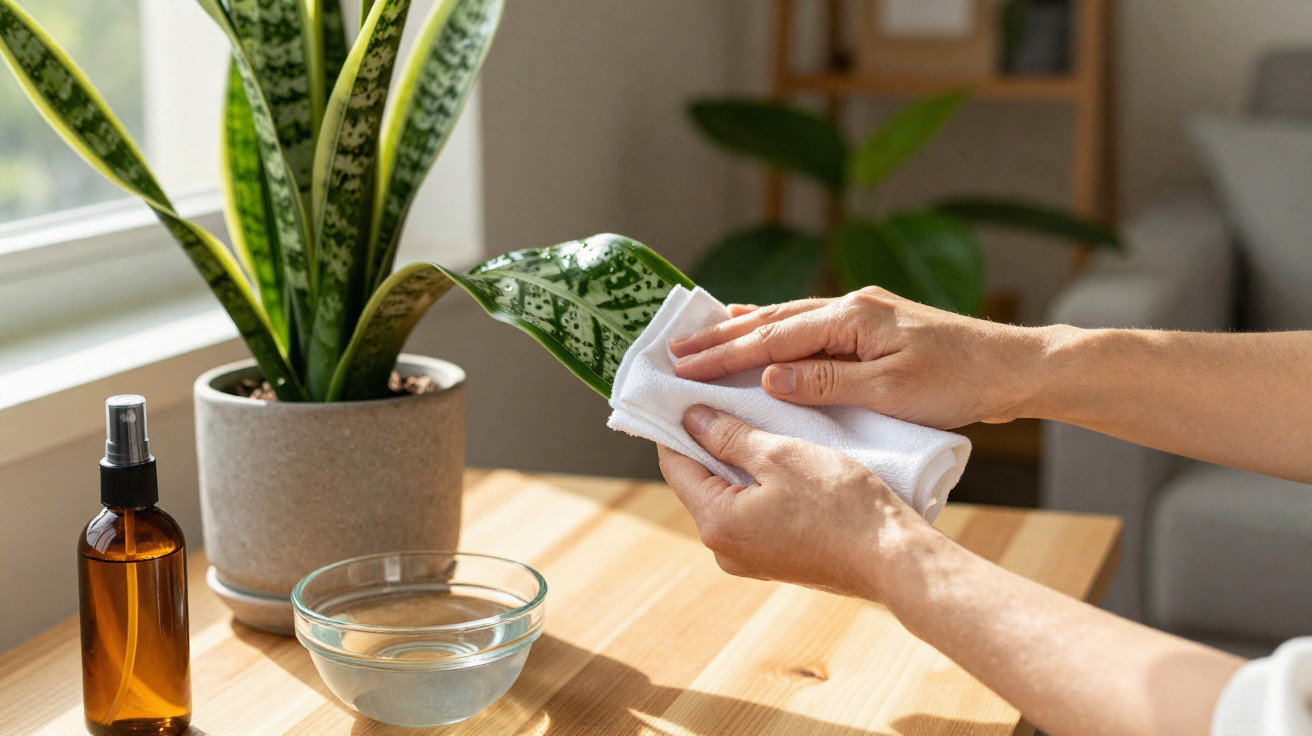
- Snake plant, a good option for low-light spots;
- Peace lily, which does best in bright but indirect light with slightly moist compost;
- Fern, well suited to humid areas that also have decent airflow;
- Orchid, ideal for bright positions without harsh, direct sun;
- Ivy, which can be grown in hanging pots;
- Aloe vera, as long as it receives light and the compost is kept on the dry side.
Where should you place the pot to avoid problems?
Position the plant near a source of natural light, but away from the direct spray of the shower and anywhere it could be knocked over. Sturdy shelves, worktops and hanging brackets help keep foliage aired and reduce the chance of water pooling around the container.
It also matters that the pot has drainage holes, and that you tip away any excess water from the saucer. Compost that stays waterlogged can encourage fungi, create unpleasant smells and increase dampness in the very area you’re trying to keep drier.
What actually prevents mould from appearing?
Mould takes hold when surfaces remain wet for long periods. To lower the risk, the key is to manage steam and speed up drying after each shower:
- Run the extractor fan during the shower and leave it on afterwards;
- Keep doors and windows open when it is safe to do so and there is outside airflow;
- Use a squeegee on the shower enclosure, tiles and floor;
- Don’t let wet towels pile up in the room;
- Use a hygrometer to keep track of air humidity;
- Look into marks that return even after cleaning.
Ventilation is still the main protection
Keeping relative humidity below 60%, sorting out leaks and allowing air to circulate are more effective at stopping fungal growth. Extractor fans, windows and dehumidifiers remove far more moisture than any houseplant can absorb on its own.
A humidity-tolerant plant can still add style and complement these measures, provided the potting mix is not left soaked. If walls stay damp, grout keeps darkening, or a musty smell comes back, the priority should be finding the water source and improving how quickly the bathroom dries.



Comments
No comments yet. Be the first to comment!
Leave a Comment