
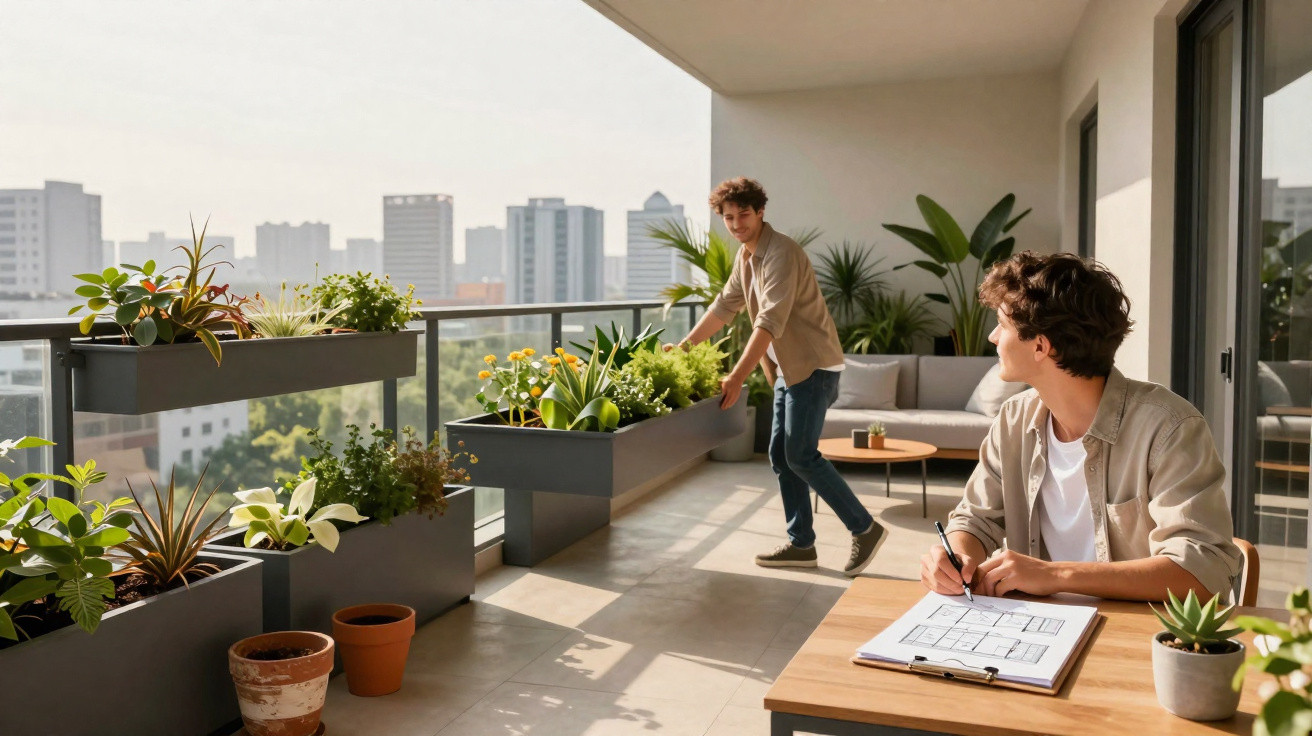
A fresh approach to balcony design is turning even the smallest footprint into a genuine living zone.
For years, balconies and terraces were treated as little more than dumping grounds, dotted with a few unloved pots. That mindset is shifting. Outdoor spaces are now being planned like an extra room: with deliberate layout, intentional greenery and furniture that looks chosen rather than accidental. At the centre of it is one principle that could completely reshape many city balconies by 2026.
From a jumble of pots to a planned green concept
If your balcony is still crammed with individual pots, you are giving away usable space. The new design approach favours structure over scattergun placing: plants become a carefully staged part of the overall interior scheme.
Raised beds and elevated planters free up the floor
The most obvious change is that plant containers are no longer dumped randomly on the ground. Rectangular planters on metal or timber frames take the lead. They lift greenery to eye level, or at least far higher than most people are used to.
"By moving plants up off the floor, even a tiny balcony feels airier, larger and noticeably more tidy."
The benefits are straightforward:
- More open floor space: chairs, a small table, a sun lounger or a stool fit in far more easily.
- Easier maintenance: no constant bending to floor pots; watering becomes quicker and more precise.
- A more cohesive look: a clear line replaces the chaotic pile-up.
In cities especially-where outdoor space often measures only a few square metres-this change can feel like a near doubling of area, not in reality, but visually.
Minimalist and clean, but not clinical
The dominant look is a mix of understated shapes and strong contrasts. Slim black metal frames sit alongside warm timber, paired with rich leaf green. It echoes Scandinavian and modern loft interiors-just translated outdoors.
What people are opting for:
- narrow, elongated planters rather than round pots
- crisp, rectangular forms
- muted container colours (charcoal, sand, stone, olive)
In this set-up, plants change function. They are no longer a decorative extra; they become a central design element-much like a statement sofa in the living room.
A flowing look instead of trip hazards
When every spare centimetre is filled with pots, the whole space feels cramped. The newer direction starts with the overall picture: plants are grouped, aligned along a single run, or placed deliberately in blocks. That creates a clear structure, so the eye is guided naturally.
"Fewer individual containers and more continuous lines create calm in the scene and freedom of movement underfoot."
In day-to-day use, the difference is practical: it is easier to turn around, shift chairs and welcome guests without constantly catching yourself on something. A small barbecue, a side table or an outdoor lamp is also more likely to fit.
Playing with height and volume: why no one will plant flat in 2026
One guiding idea for the upcoming balcony season is to move away from a single, uniform height. Rather than placing everything at the same level, the space is planned in tiers.
Plant displays across multiple levels
A few tall grasses in an elevated planter, herbs a little lower down, ground cover below that-plus perhaps a trailing plant-and you instantly get a more dynamic scene. Your gaze shifts from one layer to the next, and the balcony feels deeper.
On small balconies, the impact is particularly noticeable:
- wall and balustrade height is put to work.
- the floor stays largely open for practical use.
- the area reads like a backdrop rather than a storage spot.
That is how even a narrow city balcony can suddenly gain character-and look far more compelling in photos, which matters to many people on social media.
Greenery as a room divider instead of heavy partitions
Using plants at different heights makes it possible to create separate zones within just a few square metres, without putting up a visual barrier. For example, three elevated planters filled with mid-height plants can mark the boundary between a dining area and a lounge corner, while still allowing you to see through.
"Balcony greenery becomes an invisible architect: it divides without shutting things off, and connects without looking dull."
This is how small “islands” appear-one spot for morning coffee, a corner for working, a place for an evening drink. The footprint stays identical, but the space feels more versatile.
Outdoor space as a fully fledged room
These new styling ideas align with a wider trend: indoors and outdoors are blending more closely. Balconies are no longer treated as a cluttered rail-and-storage area, but as an extension of the living room or kitchen.
You can see it in several ways:
- Furniture choices: outdoor sofas, rugs, side tables and even small shelving units are replacing the typical plastic chair.
- Textiles: cushions, throws, outdoor rugs and weather-ready curtains add comfort and a lived-in feel.
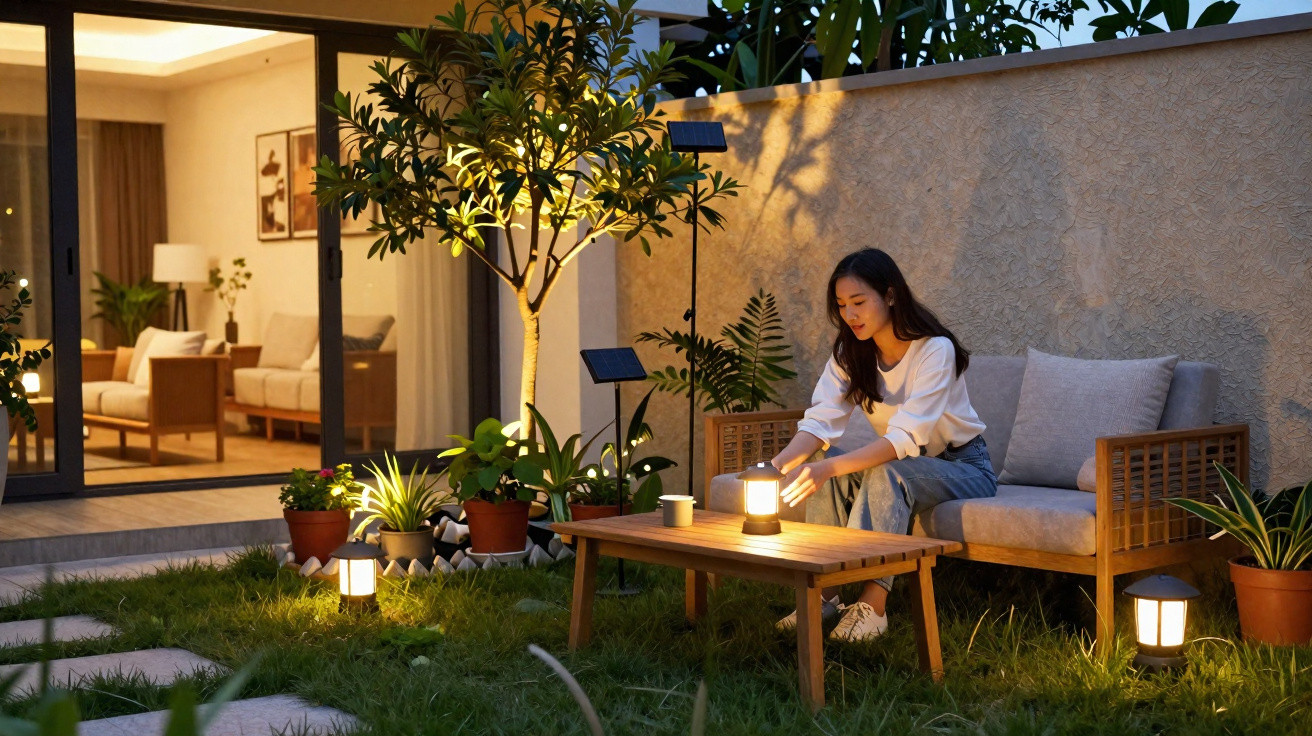
- Lighting: warm-white fairy lights, solar lanterns and table lamps create an evening atmosphere much like the living room.
Planting follows the same ambition: it should not just be “somewhere”, but should read like a designed set. Rather than buying ever more pots, many city dwellers are planning an intentional concept that matches the style of their flat.
How to put the new balcony idea into practice
This trend may sound design-led, but it can be done on a small budget too. With a few steps, an existing balcony can be adapted.
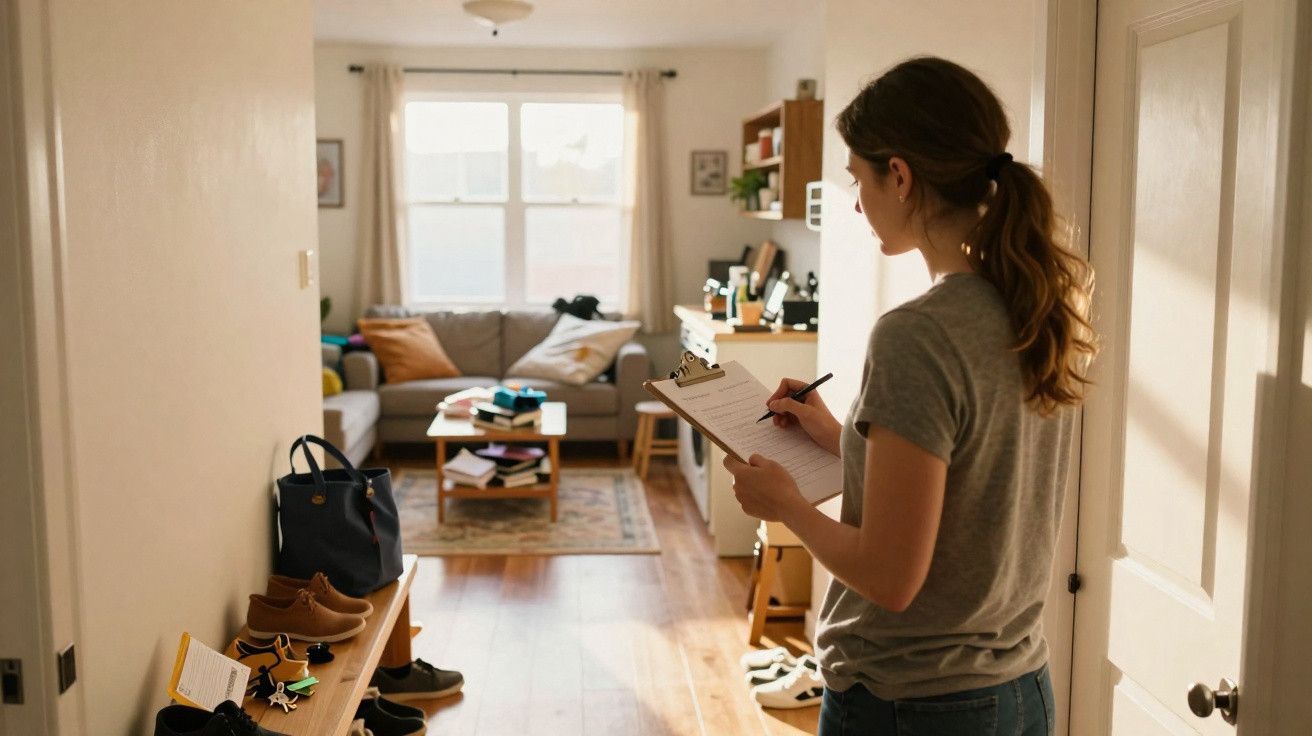
Take stock instead of buying in a rush
Before ordering new planters, it pays to take a hard look at what you have:
- How much floor space do you genuinely want to keep clear?
- Where does a pot currently get in the way when sitting or walking?
- Which plants look lost, or no longer suit the overall style?
Pots that block the way can often be replaced by a single wider raised bed. Several small containers with similar plants can be brought together in one long planter.
Choose suitable plants
For elongated and raised containers, the following work particularly well:
- grasses for height and movement
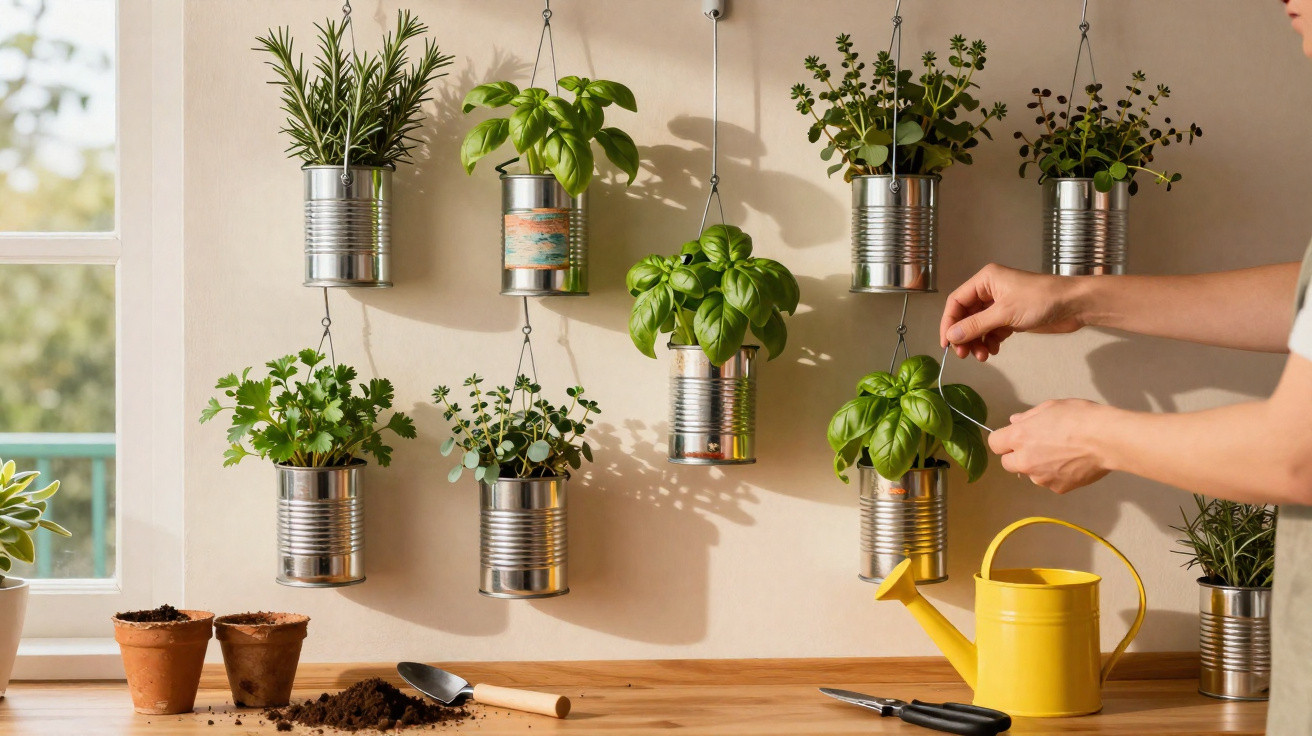
- herbs such as rosemary, thyme or mint for fragrance and usefulness
- trailing types such as ivy or trailing geraniums for the edges
- compact mini shrubs, such as small ornamental woody plants grown in containers
If you do not have much time, choose robust, low-maintenance varieties and limit each container to just a few types. The result looks calmer, and it simplifies watering and feeding.
What balcony owners should keep in mind up to 2026
This new approach offers advantages, but there are also a few practical considerations. Elevated planters add weight at the balcony edge, so the structure must be able to handle it. Many systems, however, are built to be lightweight and are designed specifically for rented balconies.
It also helps to adjust your watering routine. Long planters dry out faster on warm days. If you do not have a knack for plants, it may be worth considering integrated water reservoirs or automatic irrigation. In very exposed, windy positions, it makes sense to pick wind-tolerant species so the airy look does not disappear after the first autumn storm.
It will be interesting to see how this style develops alongside technical add-ons: smart plugs for fairy lights, small solar modules on planters, moisture sensors in the soil-these all suit the new, cleanly organised set-ups. The balcony becomes not only more attractive, but also more functional.
If you rethink things now, you will not need to start from scratch in 2026. One or two raised planters, plants positioned deliberately across different levels, and a cleared floor are often enough to make an average balcony feel like a small, designed outdoor lounge.
Comments
No comments yet. Be the first to comment!
Leave a Comment