

What’s behind it?
In countless homes, the same pattern plays out year after year: you wake up to wet window panes, paint starts flaking beneath the reveal, and dark marks appear in the corners. If you only wipe it away instead of tackling the cause, you risk not just long-term damage to the property, but potential harm to your health as well.
Why condensation forms on windows
The mechanism is straightforward: warm, moisture-laden indoor air meets a cold window pane. As the air cools rapidly at the surface, it can hold less water vapour, so the excess moisture settles as droplets. This is completely normal in principle, but it becomes a problem when it happens day after day and nobody intervenes.
"Moisture that stays on the glass will, sooner or later, move into the frame, the reveal and the wallpaper – an ideal breeding ground for mould."
Persistent damp patches tend to develop where the window meets the wall. These zones stay moist for longer, which is exactly what mould spores need. Spores are always present in the air, but they only thrive when there is enough moisture. People with asthma or allergies are often the first to notice the effects: tickly coughing, stinging eyes, and breathing difficulties. Children and older people are particularly sensitive.
The most effective basic rule: keep indoor humidity under control
The most powerful way to prevent condensation is to stop moisture building up in the first place. Consistent ventilation and a few reliable routines usually work far better than expensive specialist products.
- Air the room properly several times a day (short, wide-open ventilation), rather than leaving windows on the latch for hours
- Keep an eye on relative humidity (ideal range: 40–60 per cent)
- Wipe condensation off the glass immediately
- Reduce everyday sources of moisture where you can
Many people let the water on the panes “dry by itself” in the morning. That’s a mistake. The moisture doesn’t stay on the glass; it seeps into joints, seals and plaster. Keeping an absorbent cloth on the sill-and using it quickly-prevents a large share of the damage that otherwise follows.
Bedroom: the hidden moisture hot spot
Bedrooms produce more moisture than many people realise. Overnight, one person releases around 1–2 litres of water into the air through breathing and perspiration-more still if two people sleep in the room.
Don’t turn the heating completely off
Switching the heating off entirely before bed often triggers the very condensation you are trying to avoid. If the room cools down significantly, the window surface temperature drops even further, and the humidity ends up depositing directly on the glass.
A better approach is to leave the radiator set to a low, steady level. The air stays slightly warmer, the temperature difference between air and pane is reduced, and less water forms.
Keep wet laundry out of the bedroom
A common error is putting a clothes airer in the bedroom because “the door’s shut anyway”. As the washing dries, a large portion of that water moves into the room air-and then onto the windows.
Use a well-ventilated room or a separate drying area instead. If you use a tumble dryer, make sure it is properly vented to the outside or that it runs with a condenser container that is emptied regularly.
Kitchen: stop steam at the source
Cooking is one of the biggest moisture contributors in a home. Water boils, sauces simmer, and a casserole bakes in the oven-together releasing substantial amounts of water vapour. The good news is that a handful of simple habits can greatly reduce the impact.
- Switch on the extractor hood or fan every time you cook
- Use lids on pans to keep steam in the pot
- Open the window fully for a short time during and after cooking
- Close the kitchen door so moisture doesn’t drift into the rest of the home
These changes cost nothing but can make a major difference. In smaller flats, humidity otherwise spreads quickly through the entire living space, which you’ll notice as misted-up windows at the far end of the property.
Bathroom: control steam before it spreads
Bathrooms are often the extreme case: a hot shower can produce huge amounts of steam within minutes in a room that is usually small. Without countermeasures, the vapour settles on mirrors, tiles and windows-or moves into adjacent rooms.
Seal off the shower area properly
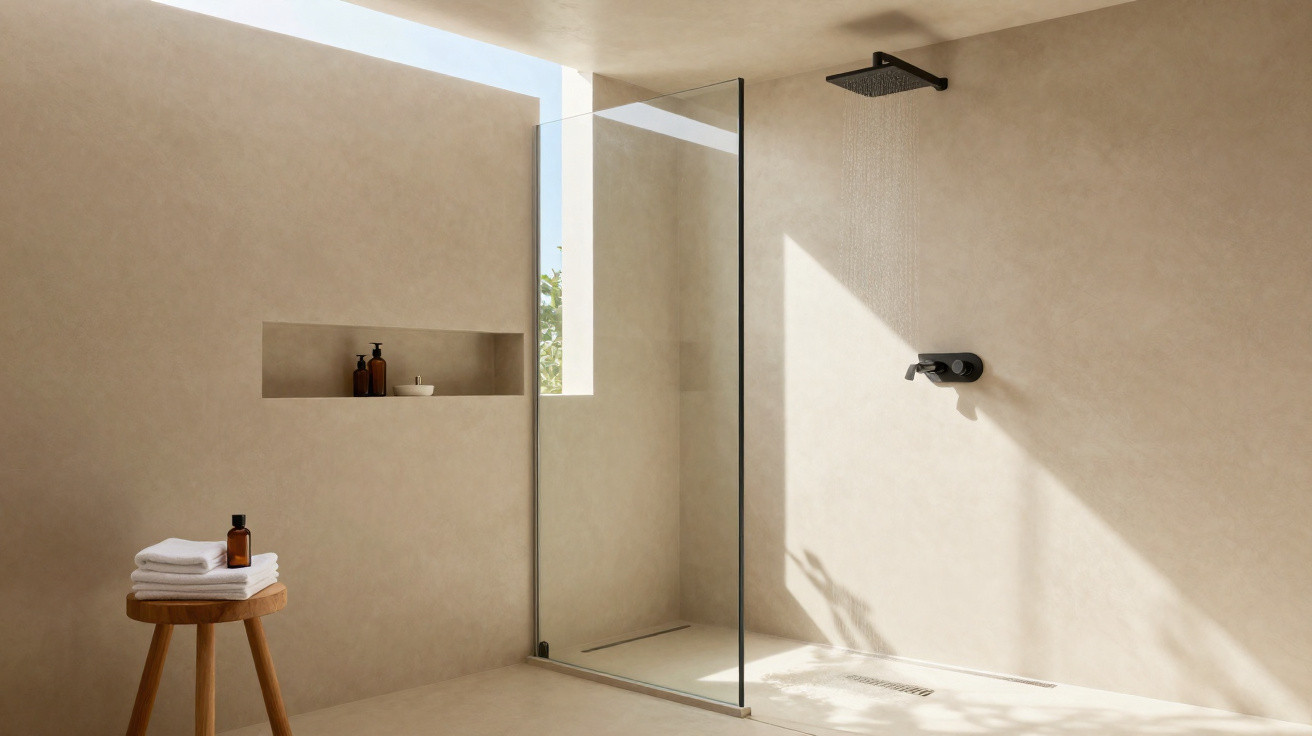
A close-fitting shower curtain or a full glass screen acts like a barrier. It keeps the steam in the shower zone at first, rather than letting it fill the whole bathroom unchecked. That noticeably reduces the overall moisture load.
Use the fan and window intelligently
If you have an extractor fan, don’t run it only while you shower-keep it on for at least 10–15 minutes afterwards. In that time it removes a large share of the moisture to outside.
A slightly open window supports the effect by letting steam escape directly outdoors instead of condensing on the next cold surface. Keep the door to the hallway closed during this time so the humidity doesn’t spread through the flat.
Technical aids: dehumidifiers and hygrometers
If damp issues keep coming back, an electric dehumidifier can be worthwhile. Modern units are relatively quiet and use less electricity than older models. They pull water from the air and collect it in a tank that needs emptying regularly.
A dehumidifier is especially useful in rooms that are difficult to ventilate properly: internal bathrooms without a window, basement rooms, or areas affected by construction-related cold bridges.
A simple, inexpensive tool is a hygrometer. It shows the current humidity level, making it easy to judge when airing is needed. Readings above 60 per cent over longer periods significantly increase the risk of condensation and mould.
Upgrading windows: from film to triple glazing
If you want a longer-term improvement, the glazing itself is an option. The warmer the inner pane stays, the less likely condensation is to form. Double or triple glazing reduces the temperature difference between indoor air and the window surface considerably.
For rented homes-or as a stop-gap-special anti-condensation films can be applied to the glass. They don’t raise the surface temperature as much as new windows, but they can still help reduce droplet formation.
Practical day-to-day tips to prevent mould on windows
Sticking to the following points consistently will greatly lower the risk of wet windows and mould spots:
- Ventilate in the morning straight after getting up and check the panes
- Always wipe condensation off immediately with a microfibre cloth
- Don’t press internal blinds or heavy curtains right up against the glass
- Don’t block radiators with furniture or long curtains
- After showering, squeegee moisture off tiles and grout lines
When blinds and curtains are pulled tight against a cold pane, you create a pocket of cold air behind them. With little air circulation, that area cools dramatically-making condensation and mould far more likely.
Why mould is more than a cosmetic issue
Mould spores can irritate the airways and mucous membranes, and they may trigger or worsen allergies. Particularly in bedrooms-where people spend many hours at a time-patches around window reveals should be taken seriously and not “watched” for months.
If you regularly experience headaches, irritated eyes or coughing and also notice damp stains on walls or windows, act quickly: remove moisture sources, have mould removed properly, and, if problems persist, check for possible building defects.
Over time, managing indoor air sensibly pays off in several ways: less damage to the building, lower heating costs through well-timed ventilation, and-above all-a noticeably more comfortable indoor climate. With consistent wiping of panes, targeted airing, and the right technology, condensation on windows can be reduced significantly, leaving mould with little chance to take hold.




Comments
No comments yet. Be the first to comment!
Leave a Comment