
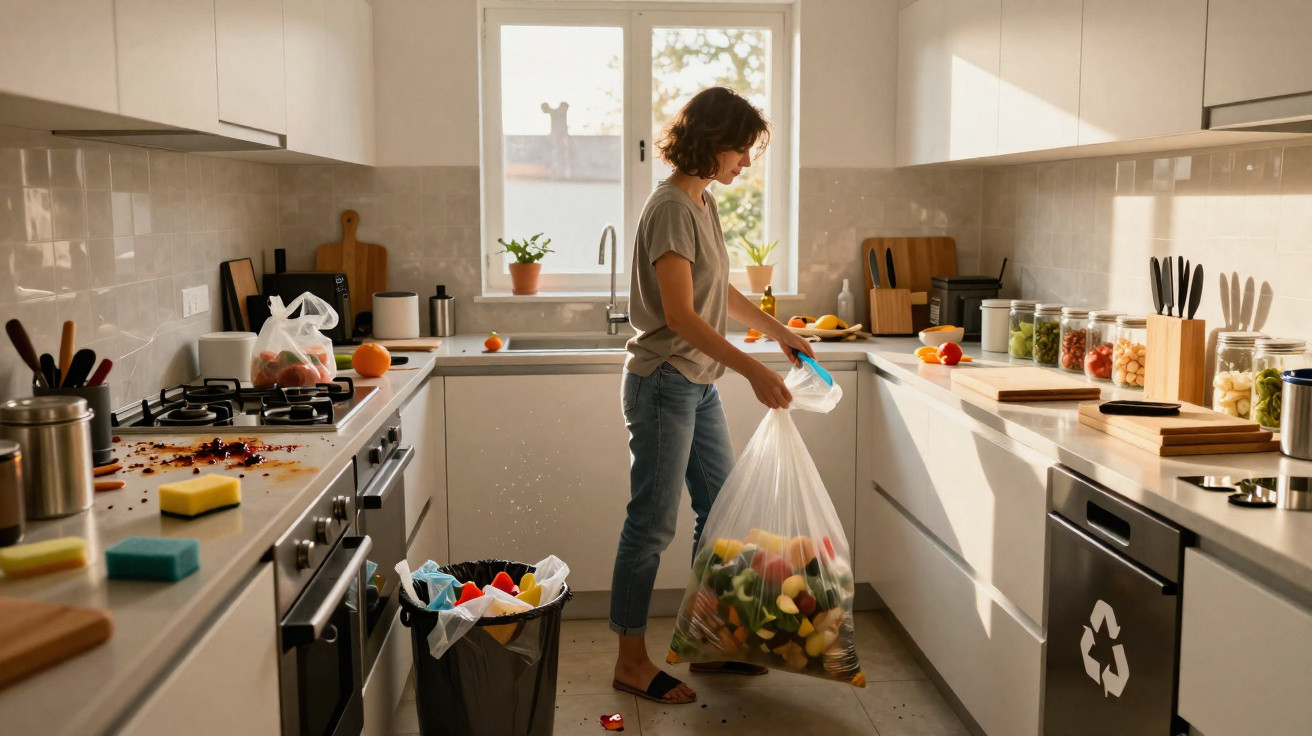
Step into someone’s home and make a beeline for the kitchen: it’s the one room that quietly gives away routines, standards and the chaos people try to hide.
A kitchen’s condition speaks louder than any scented candle or expensive cushion. Visitors notice what’s left on the worktops, what’s collecting grime in the corners, and which objects clearly haven’t been touched for years. This isn’t about chasing a picture-perfect space, but there are certain tell-tale items that immediately suggest neglect, clutter or poor hygiene. Below are ten things experts say should go.
Why the kitchen tells the truth about a home
You can make a living room look presentable in minutes - cushions straightened, throws folded, toys shoved into baskets. A kitchen doesn’t work like that. It holds on to smells, marks and long-term patterns: what you eat, how you wash up, what you keep “just in case”.
A tidy kitchen is less about social image and more about food safety, mental load and how easy everyday life feels.
Studies on stress at home repeatedly connect visible clutter with higher cortisol levels. And because the kitchen combines sharp blades, hot surfaces and raw ingredients, it’s the last place you want that kind of disorder.
1. Mountains of expired food
Most fridges hide a forgotten yoghurt or two, but when a large chunk of the shelves is out of date, it’s obvious to guests - and it’s an open invitation to bacteria.
- Check “use by” dates weekly.
- Smell and inspect leftovers before reheating.
- Rotate new groceries to the back, old to the front.
Mouldy sauces, open tins going rusty in the fridge, and grey leftovers lingering in plastic tubs all increase the risk of food poisoning. They also soak up fridge smells and can spoil the flavour of fresh food stored nearby.
2. A bin that constantly overflows
A bin or food caddy that’s always crammed full signals cleaning that’s being put off. It’s not only unpleasant to look at or smell - decaying food draws in flies and fruit flies, and it can even encourage mice to come indoors.
If you can smell yesterday’s curry every time you open the bin, you’re already leaving it too long.
Use bin liners, regularly wipe the lid and rim, and give the entire bin a proper wash with hot, soapy water at least once a month.
3. Plastic bags and packaging stuffed everywhere
The old “bag of bags” under the sink used to be a running joke. In plenty of households, it has turned into multiple bags of bags, plus a box of bags, plus a drawer jammed with takeaway containers. Keeping a small supply is sensible; keeping the rest is visual clutter that eats into useful storage.
Specialists recommend setting a firm limit - only keep what fits in a single carrier bag or a small organiser. Recycle or give away the remainder. Otherwise, every cupboard opening risks a noisy landslide of crinkled plastic and cardboard.
4. Broken gadgets that never get repaired
A blender missing its lid, a toaster that only works if you hold the lever down, a coffee machine “waiting for a new filter” for 18 months - these are the items that block drawers and steal worktop space.
A broken gadget is either a weekend repair project or it’s clutter; there’s rarely a middle ground.
Set a deadline and stick to it: fix it this month, or get rid of it. If you don’t, you’re sacrificing prime kitchen real estate to tools that don’t actually help you cook.
5. Non-kitchen junk living in the kitchen
Post, keys, school letters, chargers, tools, makeup, dog leads - kitchens regularly become the household dumping ground. A little spill-over is normal, but big piles advertise disorganisation and make wiping down and cleaning far more awkward.
| Common “junk” item | Better home |
|---|---|
| Letters and bills | A dedicated in-tray or desk space |
| Tools and DIY bits | Toolbox in a cupboard or garage |
| Makeup and cosmetics | Bedroom or bathroom cabinet |
| Pet toys and leads | Basket by the front or back door |
Once non-kitchen items are moved elsewhere, cleaning surfaces and mopping floors becomes a quick job instead of a drawn-out task.
6. Old sponges and filthy dishcloths
A grubby, stained sponge that smells sour beside the sink is a subtle red flag. Research has found that used kitchen sponges can carry extremely high levels of bacteria, including strains associated with foodborne illness.
If your sponge smells, it’s not “just a bit used”; it’s a bacteria hotel pressed against your plates.
Swap sponges and cloths frequently, or move to washable microfibre cloths and boil-wash them regularly. Make sure everything dries completely between uses, because dampness helps bacteria multiply.
7. Open food on counters inviting pests
A bowl of uncovered fruit, an open bag of sugar, bread that permanently lives on the worktop - it can look cosy, but it’s also a draw for ants, flies and even rodents, particularly in city flats.
Crumbs around the toaster, sticky jam jars and open pet food are classic pest bait. Once insects or mice get established, removing them often requires harsh chemicals or professional pest control.
8. Unsafe cleaning chemicals near food
In many homes, strong oven cleaners, bleach and drain unblockers are stored right next to pots and pans. That’s a hazard, especially with children in the house or in smaller kitchens.
Keep anything corrosive or poisonous separate from food, and never decant chemicals into unlabelled bottles.
Read the warnings: “corrosive”, “toxic”, “irritant”. These products are powerful. Keep them in a high cupboard, or away from everyday cooking equipment, and always secure caps tightly so fumes don’t linger near pantry items.
9. Too many rarely used appliances
The cluttered-counter syndrome
Air fryer, mixer, juicer, slow cooker, coffee machine, blender, toaster, waffle maker - when they all sit out on the worktop, you lose the space you actually need to cook. A kitchen that resembles a showroom can still leave you chopping vegetables in a tiny corner.
A useful rule of thumb is this: if you use something less than once a week, it doesn’t deserve a permanent spot on the countertop. Put it in a cupboard, or question whether it’s worth keeping at all.
10. Grease, dust and sticky residue
A greasy extractor hood, light fittings coated in dust, cupboard handles that feel tacky - together they tell a clear story. These aren’t a few crumbs from last night; they indicate months of postponed cleaning.
Grease attracts dust, and the mix sticks to every nearby surface, from cupboards to ceiling corners.
It’s not only unpleasant - heavy grease build-up can even increase fire risk, particularly in and around ovens and hobs. A quick wipe after cooking, plus a deeper clean once a month, keeps it manageable.
How to reset a “bad” kitchen without losing a weekend
You don’t need a renovation or a viral TikTok organising method. What works best is a straightforward, honest audit. Stand in the kitchen and scan the room top to bottom, left to right. Anything you haven’t used for six months, anything that’s clearly broken, or anything that smells off should be challenged.
Choose one area per day - fridge, pantry, worktops, the cupboard under the sink. Set a 20-minute timer and do only the essentials: throw out rubbish, sort recycling and wipe down surfaces. Small daily bursts build a routine, rather than relying on a one-off marathon.
Why these things matter beyond appearances
A kitchen that’s cleaner and less cluttered lowers the risk of cross-contamination, pests and accidents. It can also help psychologically: many people say walking into a tidy kitchen first thing changes the tone of the entire day. Coffee tastes better when you’re not shifting yesterday’s dishes out of the way.
There’s a money element as well. When cupboards are jammed with old packets and duplicate ingredients, it’s easy to forget what you already have and buy it again. Regular clear-outs cut food waste, reduce repeat purchases (including duplicate spices), and free up space for what you genuinely use.
Small scenarios that show the difference
Imagine two weeknights after work. In the first, you open a fridge packed with mystery tubs, sticky shelves and wilted herbs. You shut it, order takeaway and feel a bit guilty. In the second, shelves are clear, ingredients are easy to spot, and the bin isn’t overflowing. Putting together pasta and vegetables feels doable rather than draining.
Or picture guests arriving. A friend offers to lend a hand and asks, “Where are the glasses?” In a streamlined kitchen, you answer instantly. In a cluttered one, you’re shifting plastic bags, old gadgets and stacks of post just to reach the cupboard. The difference isn’t only embarrassment - it’s the daily friction that slowly wears you down.
This isn’t about spotless perfection or judging anyone else’s home. It’s about removing ten specific types of clutter that quietly make cooking, cleaning and living more difficult than they need to be. Clear them out, and the kitchen starts supporting you again - instead of constantly demanding attention.


Comments
No comments yet. Be the first to comment!
Leave a Comment