
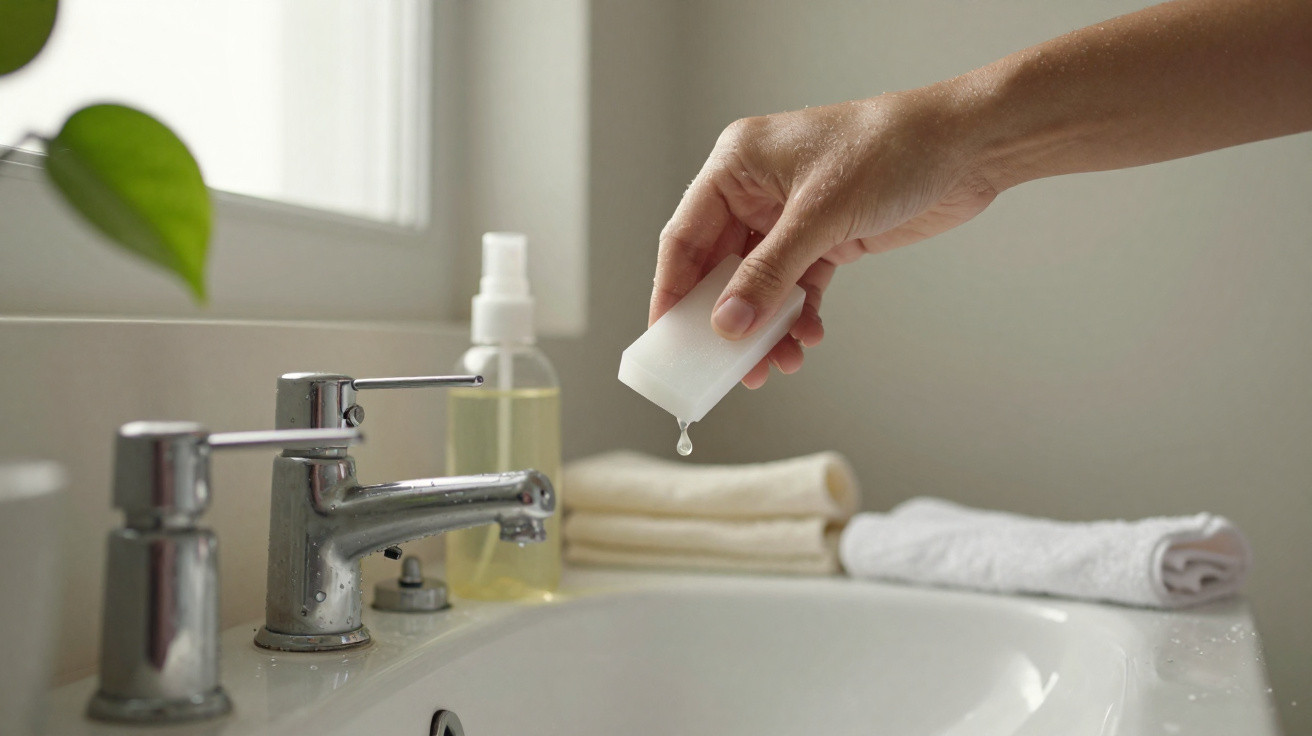
The smell turns up before anything else does.
It’s sharp and damp, lingering in the bathroom even when the room looks “clean enough”. You wipe down the mirror, neaten the towels, crack the window for a moment. Yet it stays. Then you spot the clues: a dark line tracing the shower silicone, a light grey dusting on the ceiling above the bath.
You scrub with more effort, reach for harsher sprays, maybe even burn a candle to mask the odour. For a day or two it feels like victory. Then the black specks edge back in, as if they own the room. It’s minor on paper, but it can make the whole house feel a bit uncared for.
The reality is that mould isn’t simply “dirt”. It’s driven by routines-small, everyday actions you barely register. The kind of habits that quietly shape the air in your home.
Why bathrooms attract mould so easily
Step into a typical British bathroom on a winter morning and it practically feels like mould has a head start: a hot shower, a shut window, an extractor fan that hums but doesn’t shift much air. The mirror mists up, water beads on the walls, and the ceiling seems to hold on to a permanent haze.
A bathroom is essentially a humid greenhouse packed into a few square metres. Heat, moisture, soap residue and awkward corners create ideal conditions for those tiny black dots to spread.
Your tiles might look Instagram-ready. The grout is often telling a different story.
UK public health surveys repeatedly connect damp and mould with headaches, coughing and the permanently blocked nose that gets blamed on “allergies”. One housing charity described bathroom mould as “the invisible flatmate nobody invited, but everyone breathes in”.
In older properties, it often appears along cold external walls and around single-glazed windows. In new builds, it can show up in ultra-sealed bathrooms where steam has nowhere to go. You wipe it away and it returns. You paint over it and it bleeds through again.
On a housing forum, a young couple in Manchester posted photos of their rented bathroom: black patches above the shower and mushroomy marks around the window frame. They’d tried bleach, bicarbonate of soda, and even shortening showers. The landlord’s advice was, “Just keep the door open.” The comments section erupted.
Mould thrives on three things: moisture, still air and a surface it can grip. Bathrooms provide all three, day after day. Hot showers saturate the air with water vapour. Closed doors keep it trapped. Hairline gaps in grout, silicone and paint become tiny landing pads.
Once spores settle, they feed on soap scum, skin cells and even ordinary dust. That’s why a bathroom can appear “clean” while still hosting a microscopic city.
Ventilation is the tipping point. If steam is still hanging around more than 30 minutes after washing, you’re effectively sending mould a daily invitation. Reduce that time, and you quietly deprive it of what it needs.
Simple routines that quietly kill mould’s chances
One of the strongest anti-mould habits begins before you even start the shower: switch the extractor fan on first, not last. Let it run for a few minutes before the water properly heats up, so it’s already pulling moisture away as the steam starts to rise.
When you’re finished, resist switching it off straight away. Keep it going for at least 20 minutes. If the noise is unbearable, it’s often a sign the fan needs cleaning, not silencing.
If your bathroom has a window, leave it open a tiny amount-even in winter. The goal isn’t to turn the room into a fridge, just to give steam an escape route.
Next comes a habit that sounds dull but works: a 30-second wipe-down after showers. Keep a cheap squeegee nearby and run it down the tiles, the glass screen and even the sides of the bath. It feels over-fussy for the first week; after that it becomes as automatic as switching off the lights.
In a Reddit discussion about mould, one person said that starting a squeegee routine cut their damp bathroom smell in half within ten days. No expensive sprays, no miracle solutions-simply less water left clinging to surfaces.
On a hectic weekday morning, this can seem laughable. Children shouting, the kettle boiling, someone urgently needing the loo. On a rushed Tuesday you’ll forget. That’s fine. The benefit comes from “most days”, not “every single day”. Let’s be honest: nobody truly does it daily.
It helps to keep the emotional trigger in mind: that stale smell, and that awkward moment when guests ask to use the bathroom and you know the ceiling looks like a petri dish.
Preventing mould is a game of small margins. Nudge the humidity down a little. Dry surfaces a bit quicker. Make one or two favourite spots less welcoming for spores.
Set a weekly “bathroom reset” reminder on your phone. Ten minutes, not an hour. Window open. Fan on. A quick scrub along silicone edges with a mild bathroom cleaner. A fast check of corners, ceiling edges and the back of the door.
That small routine catches mould when it’s still a faint grey dusting rather than thick black lines. And faint dust is easy to defeat.
“Treat mould like you treat dishes,” says one damp specialist I spoke to. “Leave it to pile up for weeks and it’s a horrible job. Rinse things often, and it never quite becomes a drama.”
- Run the fan 20 minutes after every shower
- Use a squeegee on glass and tiles most days
- Do a 10-minute weekly “mould patrol” in corners and on ceilings
- Wash bathmats and towels at 60°C regularly
- Leave the shower curtain or door fully open so it can dry
Living with less mould, not chasing perfection
There’s a quiet sense of ease when your bathroom no longer smells like an abandoned swimming pool. You notice it in the small details: towels dry more quickly, the mirror clears sooner, and guests can use the loo without you apologising in your head beforehand.
For many people, mould is less a cleaning problem and more a stress problem. It’s the sense that your home is slowly slipping out of reach. These simple routines won’t produce a show-home bathroom. They do, however, create a space that feels breathable, liveable and normal.
And often, that’s what you wanted all along.
| Key point | Detail | Why it matters to you |
|---|---|---|
| Ventilate before and after showering | Fan on 5 minutes before, 20 minutes after, window slightly open | Quickly reduces humidity without expensive work |
| Remove water from surfaces | Daily squeegee, occasional drying of joints and corners | Starves mould by removing standing water |
| Short weekly routine | 10-minute “mould patrol”, visual inspection, small targeted clean | Prevents big deep-cleaning sessions and harsh products |
FAQ:
- How often should I deep-clean my bathroom to prevent mould? Every 4–6 weeks is usually enough if you follow the small daily routines. Focus on grout lines, silicone and ceiling edges rather than scrubbing everything aggressively.
- Are natural products like vinegar enough to fight bathroom mould? White vinegar can help on light, recent mould. For stubborn black spots, start with a specialist anti-mould cleaner, then switch to gentler products for maintenance.
- My extractor fan seems useless. What can I do? Clean the cover, check the filter and run it longer. If steam still hangs around after 30 minutes, you may need a more powerful fan or professional advice.
- Can a dehumidifier really help in a bathroom? Yes, especially in windowless or internal bathrooms. Run a compact dehumidifier for an hour after showers to pull moisture from the air.
- Is bathroom mould dangerous for my health? For many people it’s mainly irritating, but for children, asthmatics or those with weak lungs, it can worsen symptoms. That’s why these simple routines matter more than any fancy décor.






Comments
No comments yet. Be the first to comment!
Leave a Comment