
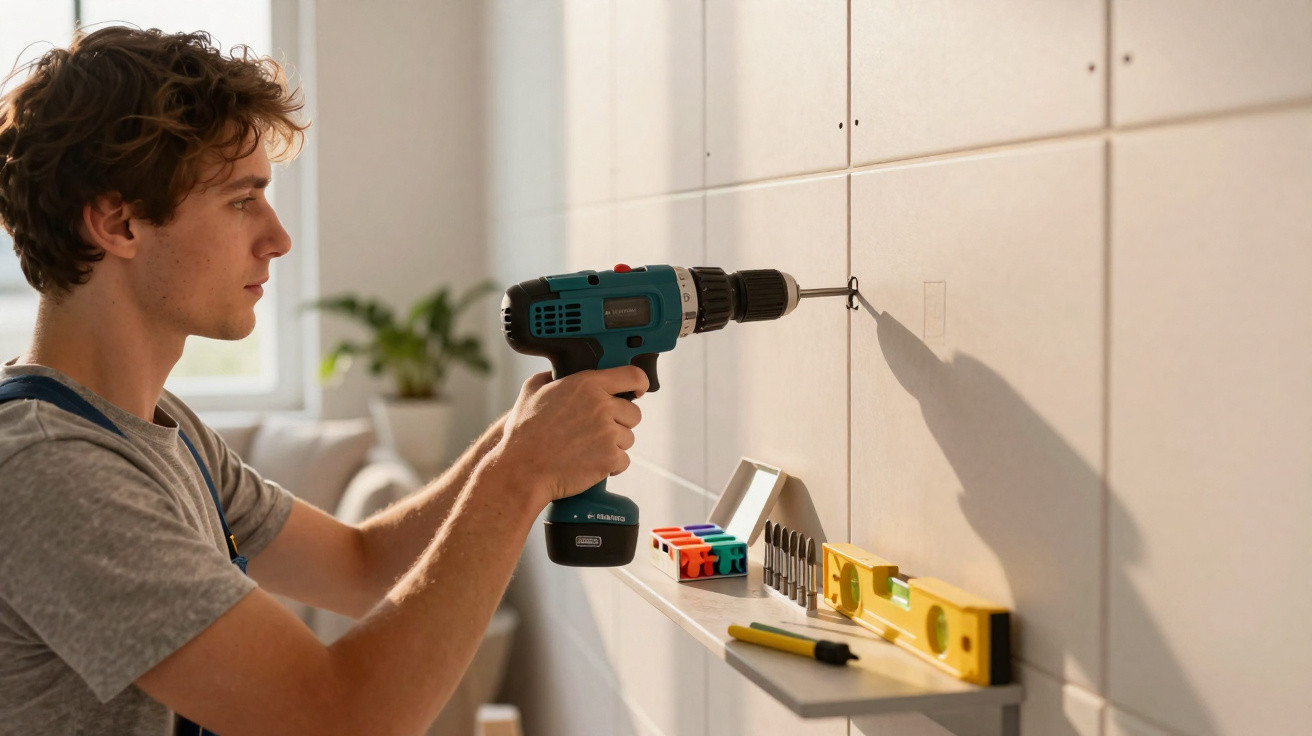
Hanging a picture, fitting a bracket or mounting a shelf can look straightforward, but a small mistake when inserting a wall plug can lead to cracks, enlarged holes and even the item coming away from the wall. Knowing how this type of fixing works, identifying the wall construction and keeping within the weight the fixing can carry helps you avoid doing the job twice, protects the surface finish and lets anyone with basic tools complete the task safely.
What is a wall plug and what does it do in a fixing?
A wall plug (also known as a fixing plug or wall anchor) is a small piece-typically plastic, nylon or metal-placed into a drilled hole to accept a screw. It increases the contact area inside the wall material, spreads the load and helps stop the screw loosening over time.
Without a wall plug, the screw sits directly in masonry, plaster or blockwork, which commonly leads to play in the fixing, cracking and a loss of holding strength-particularly when there’s weight involved. As you tighten the screw, the plug expands, grips inside the hole and forms a solid anchor point, which directly affects how long cupboards, shelves and brackets stay securely in place.
Watch a video on the YouTube channel Engehall Cursos that shares practical tips for securing wall plugs in crumbly walls or in holes that have become too wide, helping ensure the screw does not remain loose:
https://www.youtube.com/watch?v=y3n9E94oI1M
How to choose the right wall plug for each job
Before you drill into any surface, you need to consider the wall type, the weight of the item and the screw diameter. Together, these factors determine the size and style of wall plug you should use, cutting down on mistakes and ensuring the fixing stands up to everyday use.
There are purpose-made options for different situations, from standard walls to lightweight constructions such as plasterboard. Checking the millimetre sizing and the load rating shown on the packaging helps you choose safely for light, medium or heavy items, while staying within the manufacturer’s recommended limits.
- Universal plastic wall plugs for standard masonry and solid blocks.
- Plugs designed for plasterboard that open like “wings” behind the board.
- Metal expansion plugs for higher loads in concrete or solid masonry.
- Chemical anchors (resin-based) for structural, high-demand anchoring.
How to fit a wall plug step by step without damaging the finish
Fitting a wall plug properly is more about careful detail than force. Using a drill bit that is larger than necessary, for instance, creates slack and weakens the fixing point-especially on ceramic tiles or in older, more fragile walls.
- Mark the position: measure and mark the exact screw location with a pencil; if you are drilling more than one hole, use a spirit level to keep everything aligned.
- Choose the drill bit: select a bit with the same diameter as the wall plug specified by the manufacturer, avoiding both looseness and an overly tight fit.
- Drill the hole: drill at a moderate speed and keep the hole straight; on tiles, start at low speed to reduce the risk of cracks.
- Clean out the hole: blow out dust or use a small brush, as excess debris reduces friction and can stop the plug gripping properly.
- Insert the wall plug: push the plug in until it sits flush with the wall; tap lightly with a hammer if needed, taking care not to distort it.
- Tighten the screw: tighten gradually so the plug expands and locks fully, without forcing it so much that you strip the hole.
What precautions prevent problems and improve fixing safety?
A few simple habits greatly reduce the chance of hairline cracks, wasted holes and weak fixing points. Planning your hole positions and understanding the limits of both the wall material and the wall plug itself is a quick way to improve safety without needing specialist equipment.
When the load is very high-such as fully loaded wall cabinets, large televisions or gym brackets-the safest option is to consult a professional. For pictures, smaller mirrors and lightweight shelves, following the guidance above will usually deliver a stable, long-lasting fixing with a clean, well-finished look.





Comments
No comments yet. Be the first to comment!
Leave a Comment