
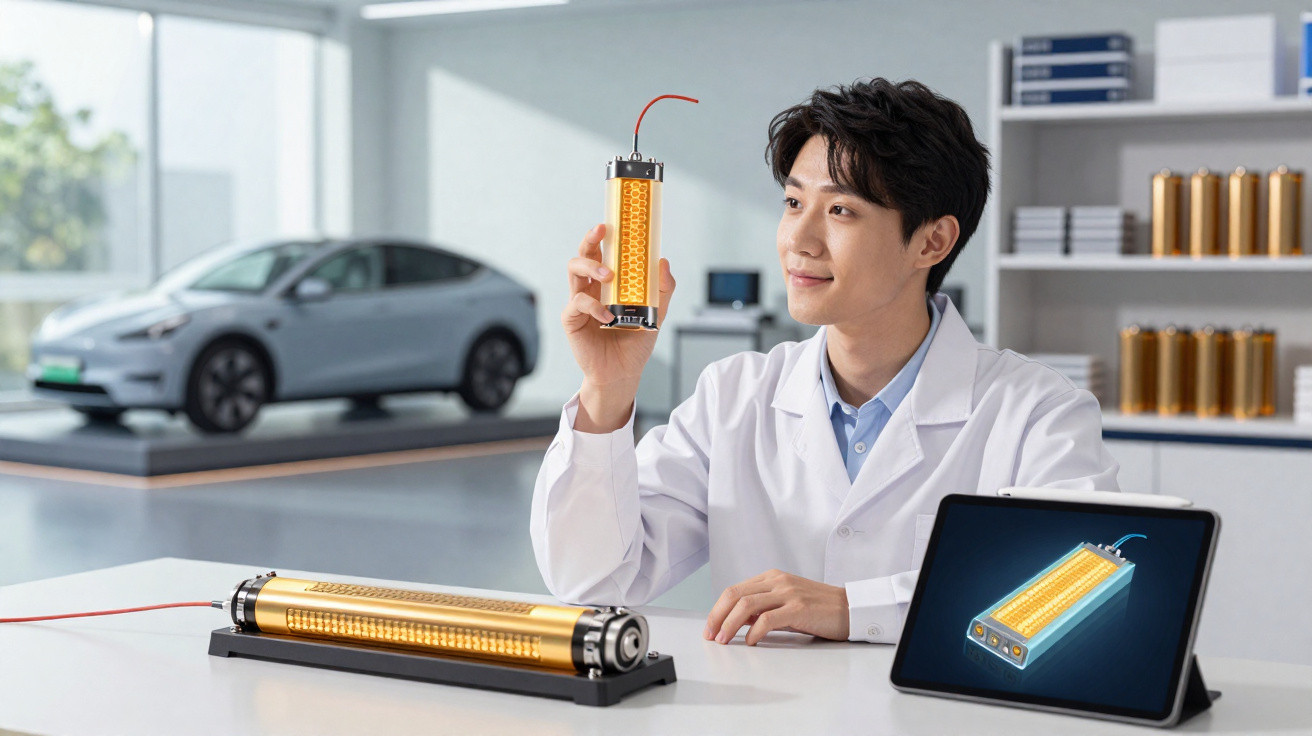
Stellantis is partnering with Zeta Energy to develop a cheaper, more efficient and more sustainable alternative to lithium-ion NMC (nickel, manganese and cobalt) batteries: lithium-sulphur batteries.
Batteries remain one of the biggest challenges facing today’s electric cars. It is not only their high price, but a mix of issues spanning environmental impacts, technical constraints and even geopolitical pressures.
Why lithium-sulphur?
Lithium-sulphur batteries are presented as a way to solve - or at least reduce - many of these drawbacks. They could be even more affordable than LFP (lithium iron phosphate) batteries, which continue to rise in popularity, while also aiming for gravimetric energy density (more energy per unit of weight) and volumetric energy density that matches or exceeds today’s lithium-ion NMC cells.
Put simply, sulphur-based batteries could deliver the same usable energy as lithium-ion batteries while weighing less. That, in turn, could lead to electric vehicles with longer range, lower overall weight (improving dynamic performance and efficiency) and reduced costs.
“Lithium-sulphur batteries could cost less than half the price per kWh compared with lithium-ion,” Stellantis says. On top of that, they are said to cut charging time by up to 50% and improve sustainability, since sulphur is widely available.
Do they have drawbacks?
If lithium-sulphur batteries can offer higher density at lower cost, it is reasonable to ask why they are not already found in electric cars. The reality is that there are still several hurdles to clear.
For instance, cycle life is currently shorter than that of lithium-ion batteries. There are also technological challenges to overcome, including the stability of sulphur-based cathodes, electrolyte compatibility, and safety concerns (the formation of lithium dendrites and electrolyte degradation).
This is where the partnership between Stellantis and Zeta Energy comes in, with Zeta Energy focused on developing and producing this technology.
Production
Stellantis and Zeta Energy also claim that new gigafactories are not required to manufacture lithium-sulphur batteries. Instead, existing facilities could be used, supported by a short, fully local supply chain concentrated in Europe and North America.
In addition to sulphur, “these batteries are produced using waste materials and methane, with CO₂ (carbon dioxide) emissions significantly lower than any technology currently available”.
“Our collaboration with Zeta Energy is another step forward in advancing our electrification strategy. We are working to deliver sustainable, safe and affordable vehicles.”
Ned Curic, Stellantis Chief Engineer and Technology Officer
When will they arrive?
The work between Stellantis and Zeta Energy is split into two phases: development, pre-production and planning for future production.
It will still take a few years before we see Stellantis electric models using lithium-sulphur batteries: both companies are targeting up to 2030 to begin equipping EVs with them.





Comments
No comments yet. Be the first to comment!
Leave a Comment