
Small, smart changes can completely alter the feel of a room-without putting you into debt right now.
With renovation quotes climbing, lead times getting longer, and disruption that seems to drag on, it’s easy to feel stuck. But your eye notices surfaces, lighting and the things you touch first. Update those, and the space can read as fresher, calmer and more premium. Below is a practical, UK‑friendly plan that trades upheaval for clean upgrades you can genuinely complete this month.
Start with what you see every day
Swap handles, change the mood
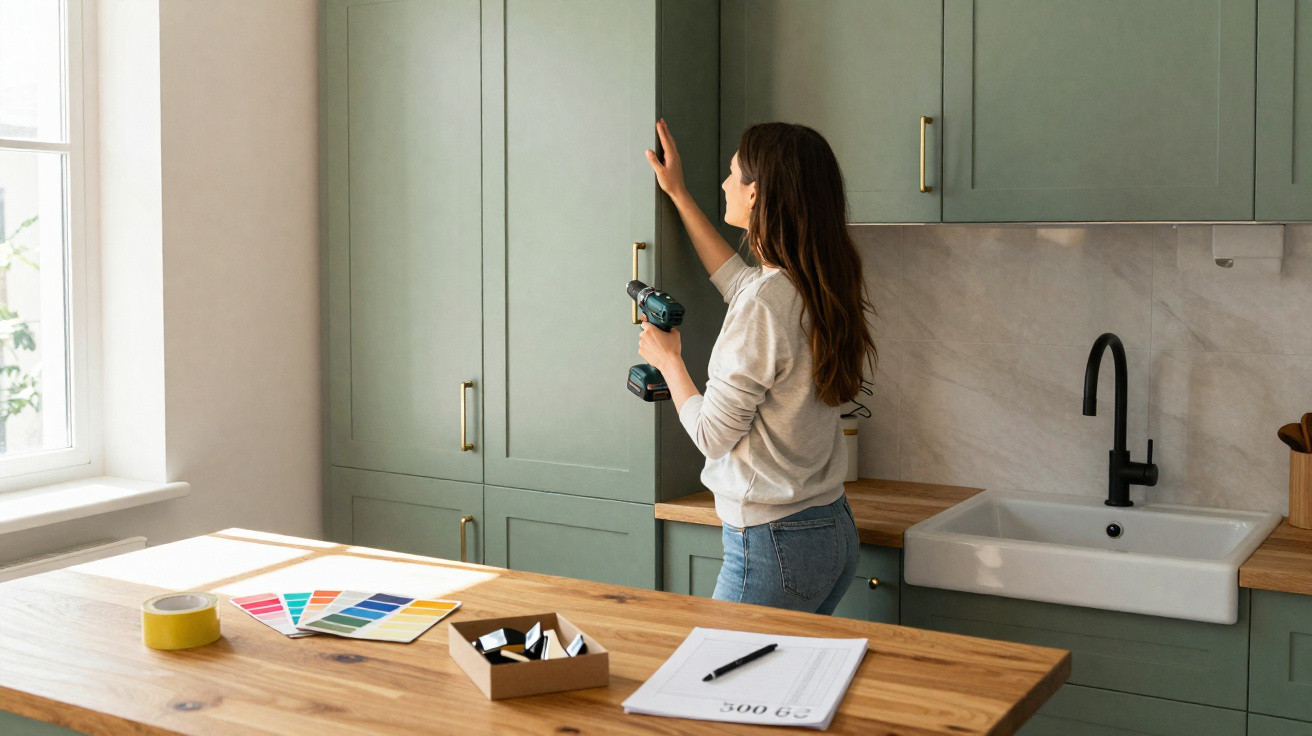
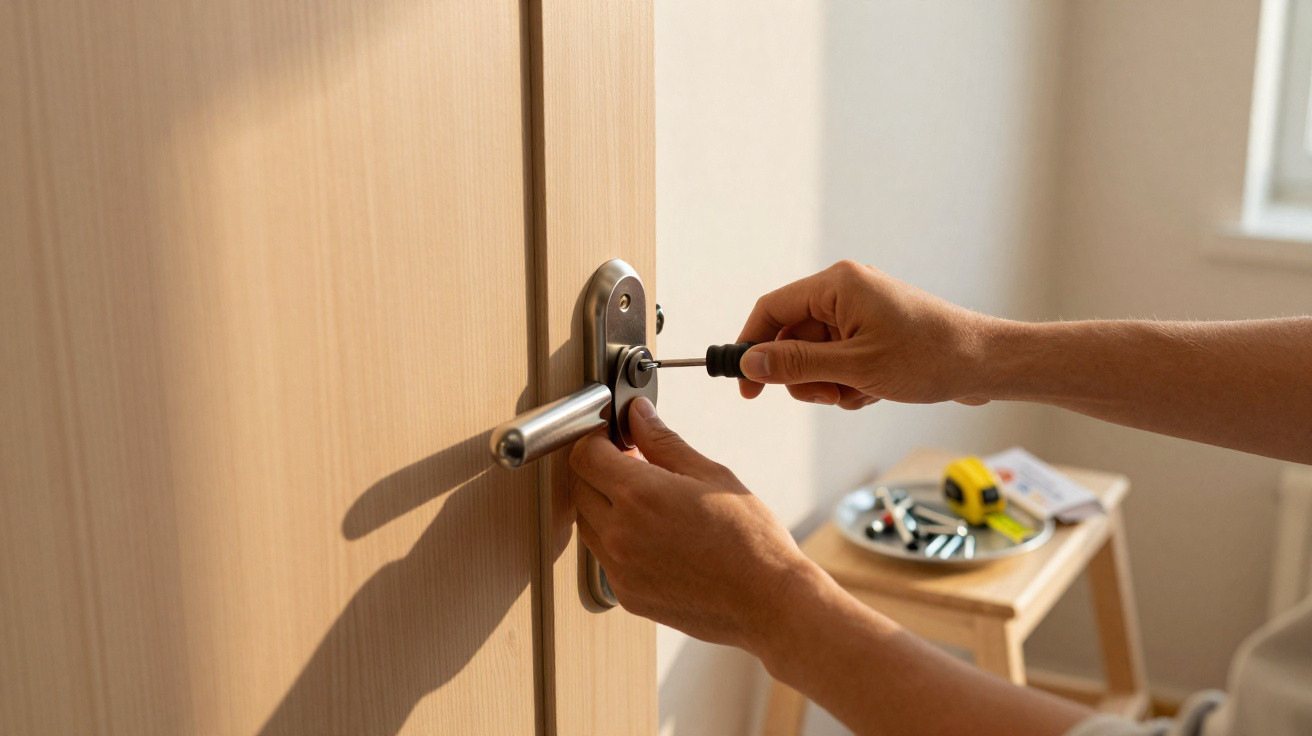
Replacing tired cupboard hardware is one of the fastest ways to redefine a kitchen’s personality. Keep finishes consistent throughout the room: brushed brass adds warmth, matte black brings punchy contrast, and stainless steel delivers a neat, understated look. Before ordering, check the “centre‑to‑centre” hole spacing so you don’t end up filling holes and drilling again.
- Budget: £40–£120 for a typical kitchen
- Time: 60–90 minutes with a drill template and a level
- Tip: go for solid metal pieces; the extra weight feels better and they generally last longer
"Spend £80 on handles and the eye often reads a £1,000 upgrade."
Paint tired cabinets, not the floorplan
If the cabinets are sound, paint can do more than a layout change for a fraction of the cost. The finish depends on preparation: degrease thoroughly, give everything a light sand, then use the right primer so the topcoat bonds and holds up. Water‑based alkyd paints cure to a hard finish and avoid the yellowing associated with older oil formulas. Take the doors off, label the hinges, and paint horizontally on trestles. Two light coats with a foam roller can mimic a sprayed finish without specialist equipment.
- Budget: £80–£180 for primer, paint, rollers and filler
- Time: a weekend plus cure time
- Colours: warm greige softens harsh lighting; deep green or navy adds depth; small rooms suit soft, matte off‑whites
Try a small adhesion test somewhere hidden first. If heat is strong, keep darker colours away from the hob side. If painting feels a step too far, vinyl wrap can be a workable compromise. Better films cope with steam, but avoid direct heat and plan for a lifespan of three to five years.
Upgrade light before you upgrade units
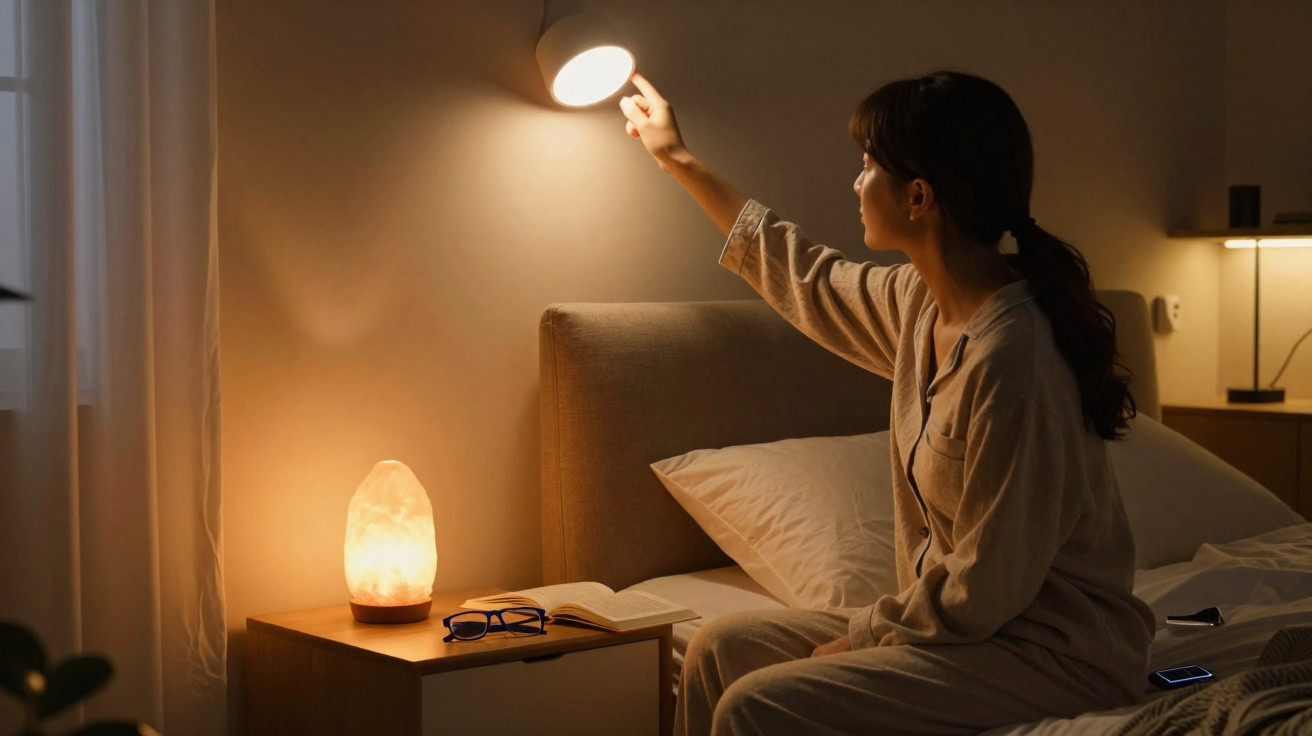
Lighting dictates how materials read. Even an inexpensive door looks far more upmarket under warm, even task lighting than it does beneath one harsh pendant.
- Under‑cabinet LED strips: 3000–3500K for warmth, 4000K for a crisp, modern look
- Plinth lighting: a gentle toe‑kick glow helps cabinets appear to float
- Dimmer modules: adjust brightness for prep, meals and late‑night tea
If you’d rather avoid rewiring, choose plug‑in strips. For hard‑wired options, hire a qualified electrician-particularly if the circuit needs updating to meet current Part P rules.
"Light changes colour, texture and shadow. It makes budget finishes read as premium."
Touch points sell the illusion of luxury
Taps and sinks do heavy lifting
The tap is one of the most-used items in the kitchen, so upgrading it pays back daily. A well-made mixer with a smooth cartridge, a pull‑out spray and a brushed finish immediately signals quality. Check WRAS approval and ensure it suits your water pressure. Mid‑range models are typically around £60–£180 and will usually fit existing holes.
Then consider the sink. Swapping to a new drop‑in composite sink can lift a laminate worktop without altering the carcass. Refit it with fresh silicone, keep the bead tidy, and add a matching basket strainer for a properly finished look.
Worktops without ripping out the kitchen
If budget is tight, there are three strong options:
- Square‑edge laminate: sharper, modern profiles; add a 100mm upstand for a cleaner, continuous line (£120–£250 for an L‑shaped run)
- Compact laminate: slimmer and tougher, and often suitable for under‑mount sinks (£300–£600 fitted or with a joiner’s day rate)
- Stone overlays: engineered slabs bonded over existing tops for a fast, low-mess swap (£700–£1,200 for a small kitchen)
Mitred joints require the right jig and a steady hand. If you’re not confident, hire a joiner for the critical cuts and handle the removal, sealing and finishing yourself to save a day’s labour.
Walls, splashbacks and the wow zone
Quick splashback fixes
Acrylic or aluminium composite sheets deliver a glass‑like effect without the high cost. Have them cut to size, bond them to the wall, then seal the edges. In rentals, peel‑and‑stick tiles can work behind the sink, but keep them well away from gas flames or intense heat.
If the area is already tiled, focus on the grout. With a grout saw, fresh grout and a grout pen, older tiles can look newly installed.
"One clean plane behind the hob pulls the eye; spend your budget where the eye lands first."
Paint that resists grease
Use a kitchen-specific paint in a scrubbable matt or soft‑sheen finish. It should wipe down cleanly without patchy “flashing”. Keep the ceiling light and bright, then bring colour onto the walls if you want it. Warm neutrals are especially good at softening cheaper whites on appliances and trims.
Style it like a set designer
Being selective beats buying more. Clear the worktop as much as you can. Put the everyday items that stay out onto a tray so they look deliberate. Transfer dry goods into two jar sizes and add labels to reduce visual clutter. Bring in one living element-basil, rosemary or a small olive-near natural light. Open shelving looks best when about a third of it is left empty. Combine textures: a wooden board, a stone bowl, a linen tea towel.
- Swap bright bulbs for warm 3000K in pendants
- Adjust door hinges so gaps line up
- Change extractor filters and wipe the hood mesh
- Refresh silicone around sink and upstands
- Fit soft‑close clips to existing hinges
- Install a slim under‑sink organiser and a dual‑bin recycler
What a £500 refresh might look like
A straightforward, realistic basket for a small UK kitchen could be:
- Handles and knobs (20 pieces): £90
- Cabinet paint, primer and rollers: £140
- Under‑cabinet LED kit and dimmer: £80
- New mixer tap, WRAS approved: £120
- Sealants, fillers, new extractor filter: £30
- Total: £460, leaving £40 for trays, jars or a statement pendant on sale
| Upgrade | Cost range | Time | Skill level |
|---|---|---|---|
| Hardware swap | £40–£120 | 1–2 hours | Beginner |
| Cabinet painting | £80–£180 | Weekend | Intermediate |
| Under‑cabinet LEDs | £40–£150 | 1–3 hours | Beginner–intermediate |
| Tap replacement | £60–£180 | 1 hour | Intermediate |
| Splashback panel | £70–£200 | Half a day | Intermediate |
Risks and realities to watch
Be cautious with gas and electrics. Anything beyond a like‑for‑like swap should be handled by a Gas Safe engineer or a qualified electrician. Keep combustible finishes away from gas hobs and check fire ratings on any panels. When painting, ventilate well and allow coatings to cure fully before rehanging doors. On some doors, vinyl wraps can void manufacturer warranties-check before you apply them. Moisture often sits behind failed silicone, so cut out blackened beads back to a clean substrate and reseal properly rather than applying a new layer over the top.
When to stop and call a pro
If cabinets feel soft or sagging, chipboard is swollen around the sink, or a worktop has bowed beyond the upstand, you’re likely dealing with more than cosmetics. Mould behind units usually indicates a leak-solve that first, then return to surface upgrades. Paying for a day of trade help on tricky cuts can prevent three days of frustration and wasted materials.
Extra pointers that sharpen the result
Before you commit, build a five‑item sample board: a paint swatch, a handle, a piece of worktop, a splashback sample and a strip of LED light. View them together under your kitchen lighting at night and in daylight; it’s much easier to spot clashing undertones early.
Plan lighting output around how you use the space. As a rough guide, aim for 200–300 lux across the room and 500–700 lux on worktops. For a 10 m² kitchen needing 250 lux, you want roughly 2,500 lumens of general light, plus focused task lighting beneath wall units. Warmer bulbs flatter timber; cooler bulbs make marble‑look laminates feel sharper.
"Design the eye line, then spend along it. Focus budget on handles, tap, splashback and light-everything else supports the story."


Comments
No comments yet. Be the first to comment!
Leave a Comment