
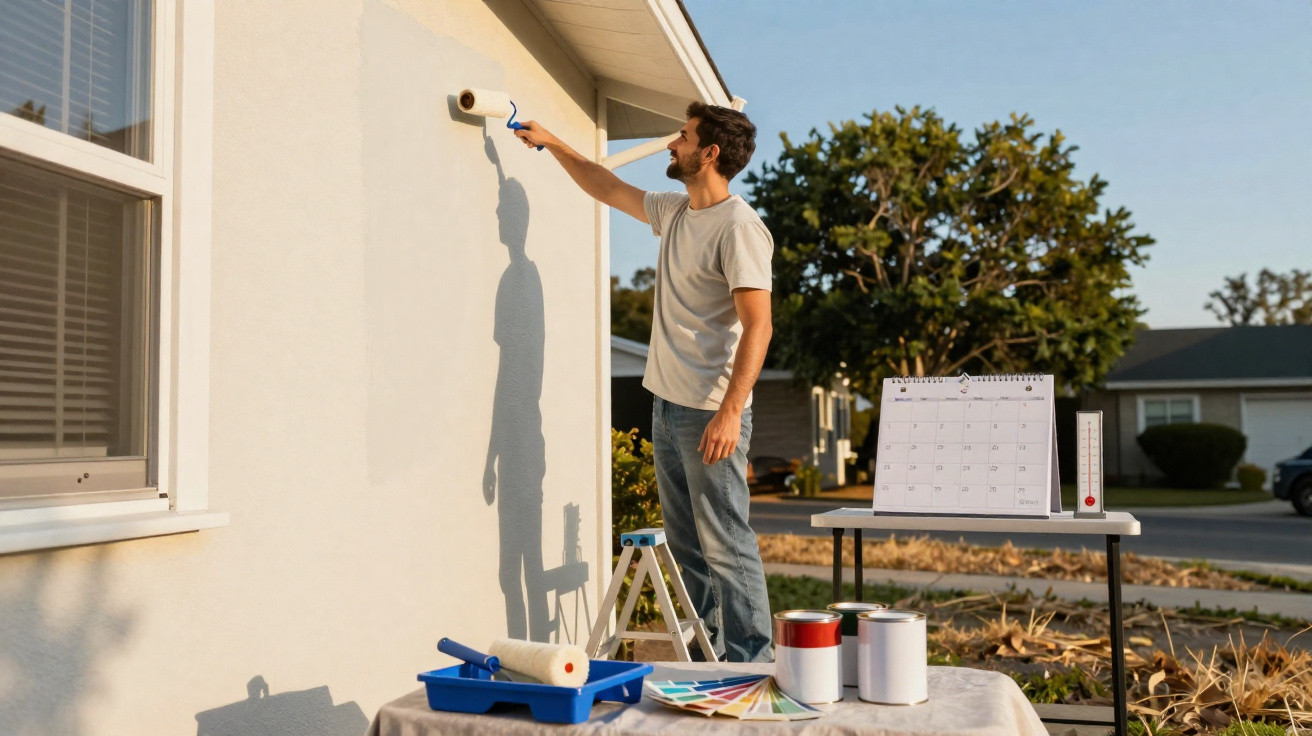
Painting a house can look like a straightforward job, yet the point at which the paint actually goes onto the wall has a major impact on the finish. Temperature, air humidity and even the number of daylight hours in each season can affect drying time, how well the paint bonds, and how long the coating lasts. Picking the right period therefore helps you avoid rework, patchiness and early peeling.
What is the best time of year to paint the house?
The best time to paint is when the weather is settled-without extremes of heat or cold-and with moderate humidity. In many places, this is usually in spring and early autumn, when conditions tend to fluctuate less over the course of the day.
At these times, paint generally dries more evenly, which lowers the chance of blistering and fine cracking. Natural airflow is also easier to manage, because you can leave windows open for longer without the space becoming uncomfortable or overly stuffy.
Why do very hot or very cold conditions disrupt painting?
On very hot days-especially above 35 0C-the paint can dry too quickly on the surface and fail to fully "cure". This may lead to lap marks, uneven sheen and a blotchy look, particularly on exterior walls that sit in strong, direct sun.
In very cold conditions, the mix of low temperatures and high humidity slows drying and increases the likelihood of mould, staining and lingering strong odours. Where walls already have internal damp, the surface may feel dry to the touch, but the finish is less durable and can peel more readily.
How do you choose the best moment to paint indoors and outdoors?
Indoor and outdoor areas respond differently to the weather, so it helps to plan each part separately. Indoors, it is best to use weeks with mild conditions, balanced ventilation and a low chance of rain, so you are not relying solely on fans or air conditioning.
For exterior areas, checking the forecast for several consecutive days is a good way to steer clear of rain and heavy mist. To keep the work organised and achieve a more even finish, it is worth following a few practical measures:
- Stage the work: splitting the job by rooms or elevations avoids rushing and respects drying times.
- Watch the forecast: start exterior painting only when several dry days are expected in a row.
- Prepare the surface: clean, dry, repaired walls use less paint and allow better adhesion.
- Control ventilation: keep doors and windows open, but avoid strong draughts that stir up dust.
Which basic steps help you make the most of the chosen period?
Once you have settled on the most favourable window, a simple plan keeps the job on track and reduces surprises. Before choosing a colour, inspect internal and external walls and look for cracks, mould, flaking areas and any sign of water ingress that needs fixing first.
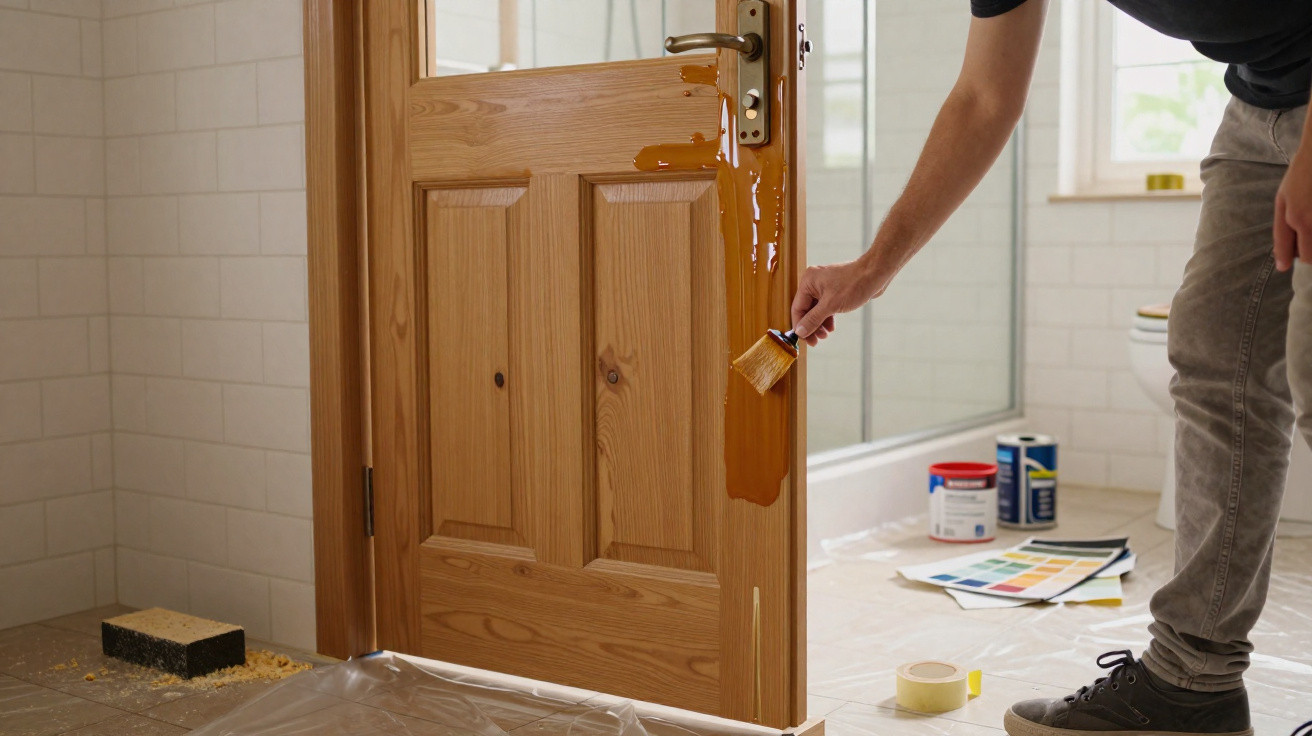
Next, select the correct paint for interior or exterior use, protect furniture and floors with dust sheets and masking tape, apply primer/sealer or levelling filler where required, and aim for cooler parts of the day such as early morning and late afternoon. This approach typically delivers a more even, longer-lasting finish, while making better use of both time and materials.
Comments
No comments yet. Be the first to comment!
Leave a Comment